
Beyond Oil Changes: Unconventional Car Maintenance Tips
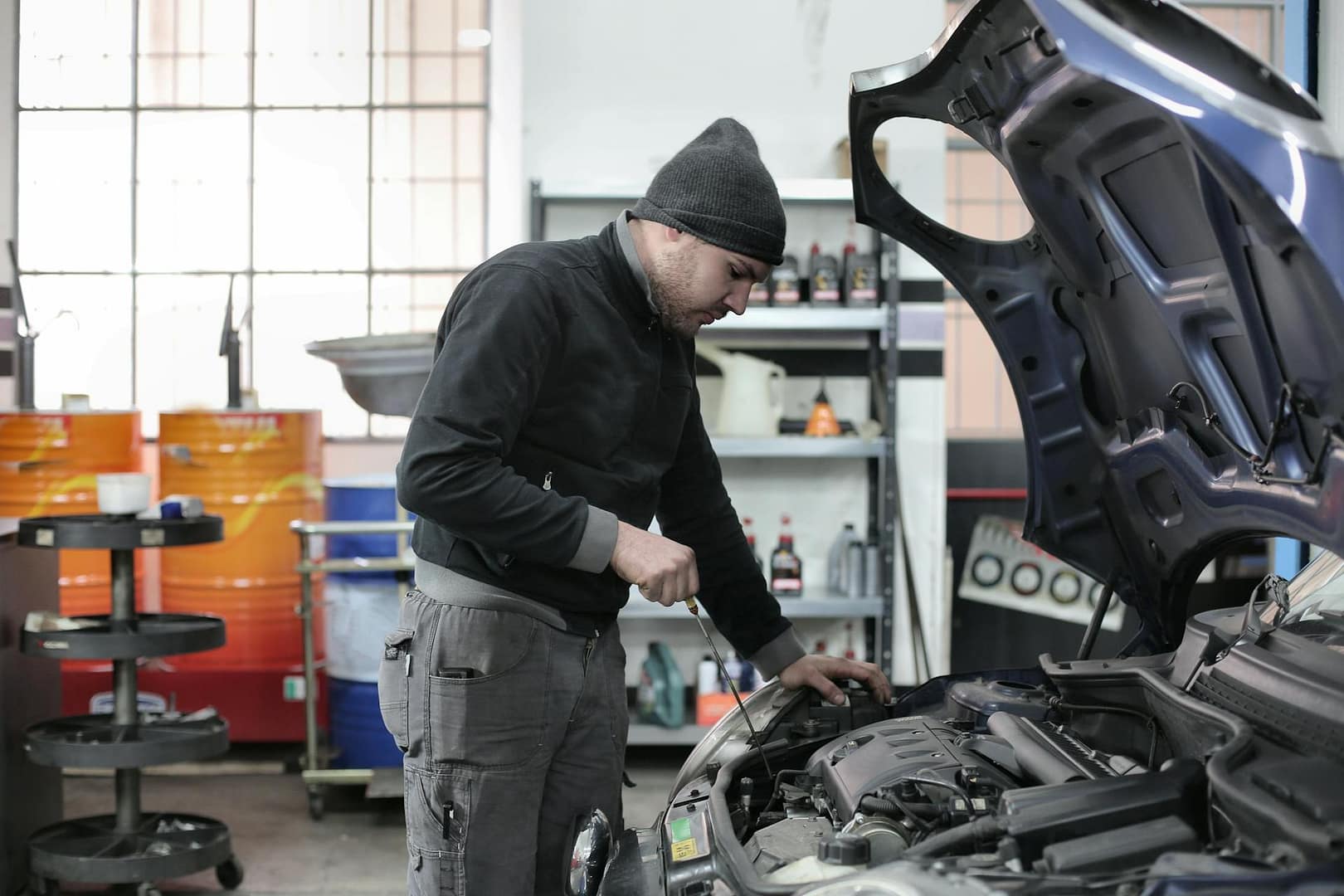
Most of us know the basics: oil changes, tire rotations, and checking the brakes. But cars are more than just engines—they’re complex systems with lots of moving parts, electronics, and delicate balances. Focusing solely on the usual maintenance can mean missing out on smaller, unconventional habits that protect your vehicle and save money in the long run. Beyond oil changes, there are simple strategies every car owner can use to extend their car’s lifespan, improve performance, and avoid costly repairs.
Keep Your Battery Healthy
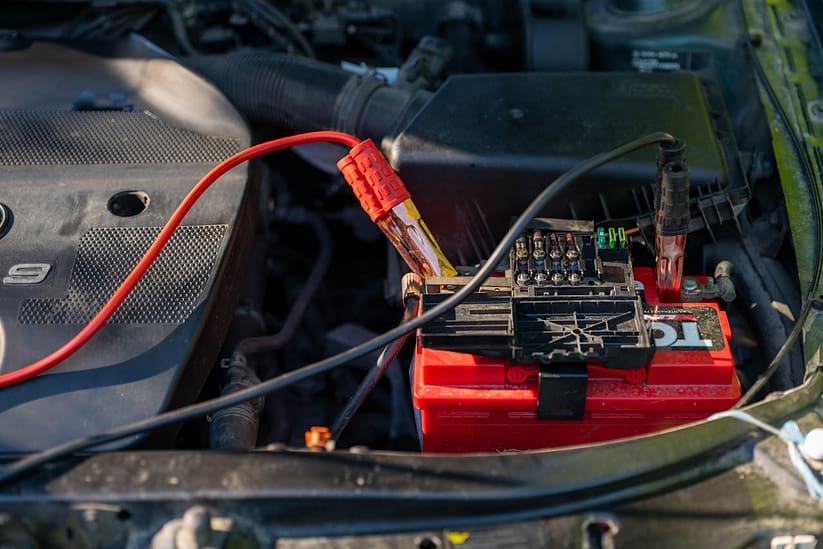
A car battery is often overlooked until it dies in the middle of a rainy day. Regularly inspecting your battery terminals for corrosion and ensuring a tight connection can prevent sudden failures. You can even use a simple battery tester to check charge levels during routine maintenance. Avoid leaving electronics on when the engine isn’t running, and if your car sits for long periods, consider using a trickle charger. Small steps like these keep your car starting reliably without the stress of unexpected breakdowns.
Protect Your Tires Beyond Inflation
Everyone knows tires need proper air pressure, but maintenance doesn’t stop there. Rotate your tires regularly to ensure even wear and inspect them for signs of damage, like bulges or uneven tread. Pay attention to alignment and balance—cars with poor alignment wear out tires faster and can reduce fuel efficiency. Also, cleaning tires and applying a UV protectant can prevent cracking and extend their lifespan. Healthy tires mean safer drives and a smoother ride.
Clean and Lubricate Moving Parts
Many car owners focus on the engine and brakes, but forget other moving parts. Door hinges, hood latches, and suspension joints benefit from occasional cleaning and lubrication. A silicone-based lubricant works well to prevent squeaks, rust, and premature wear. Even windshield wiper arms and sunroof tracks appreciate a little attention. These small gestures keep your car operating quietly and smoothly, often saving you from more expensive repairs down the line.
Keep the Interior Clean and Dry

Maintenance isn’t just mechanical—your interior affects your car’s overall condition. Dirt, moisture, and spilled liquids can damage carpets, upholstery, and electronics. Regular vacuuming, cleaning, and using floor mats protect surfaces. Using UV protectants on dashboards and treating leather or fabric helps prevent cracking and fading. A clean interior doesn’t just look better—it preserves resale value and keeps the cabin environment comfortable for years.
Mind Your Fluids Beyond Oil
While oil gets most of the spotlight, your car relies on other fluids too. Transmission fluid, brake fluid, power steering fluid, and coolant all play critical roles in performance and longevity. Checking levels, topping off when necessary, and replacing fluids on schedule helps prevent costly mechanical failures. Many drivers overlook these fluids because they’re less visible, but routine attention can dramatically improve reliability.
Pay Attention to Electronics
Modern cars are loaded with sensors, cameras, and infotainment systems that require attention, too. Keep connections dry and free from debris, update software when recommended, and address warning lights promptly. Even small electrical issues can escalate into expensive repairs if ignored. By monitoring electronics along with traditional mechanical maintenance, you ensure your car stays reliable and safe on the road.
Protect the Exterior From More Than the Sun

Washing and waxing are standard, but consider additional protection for your car’s paint and trim. Applying paint sealants, ceramic coatings, or even using car covers can prevent oxidation, fading, and scratches. Small steps like parking in shaded areas and cleaning bird droppings immediately help avoid permanent damage. A protected exterior keeps your car looking newer, preserves value, and even reduces the risk of rust in vulnerable spots.
Car maintenance goes far beyond oil changes and tire rotations. By paying attention to batteries, tires, fluids, moving parts, interiors, exterior protection, and electronics, you can extend your vehicle’s life and avoid unexpected expenses. These unconventional maintenance tips are simple, often inexpensive, and highly effective. A little extra care today keeps your car running smoothly for years, making every drive safer, more efficient, and more enjoyable.…